Modesto Cabinet Painters does much more than apply a fresh coat of paint. Behind every smooth, even cabinet finish is careful preparation, attention to detail, patience, and an understanding of how different surfaces respond to paint and coatings. Cabinet painting can be a rewarding career for people who enjoy hands-on work and take pride in creating visible improvements. Unlike painting large walls, cabinet painting requires precision because small imperfections can be easy to notice on doors, drawers, edges, and detailed surfaces. Understanding what the job involves can help anyone interested in this type of work determine whether it matches their skills and career goals.
What Does a Cabinet Painter Do?
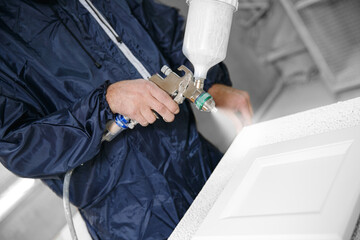
A cabinet painter prepares and finishes cabinets to achieve a clean, attractive, and durable appearance. The work can involve kitchen cabinets, bathroom cabinets, storage units, built-in cabinetry, and other wooden or manufactured surfaces. A typical project may begin with inspecting the cabinets to assess their condition and identify areas that need repair or special preparation. The painter then prepares the surfaces before applying primer, paint, stain, or another appropriate finish. Each project can have different requirements depending on the material and desired result.
Cabinet painters also need to understand that the final appearance depends heavily on preparation. Cleaning, sanding, repairing imperfections, removing old finishes, and protecting surrounding areas are all important parts of the job. Once the surface is ready, the painter applies the selected coating using brushes, rollers, spray equipment, or a combination of methods. The work may involve several coats, with proper drying time between applications. The painter must maintain consistent coverage and avoid visible defects throughout the process.
Common Responsibilities of a Cabinet Painter
The responsibilities of a cabinet painter can vary depending on the type of workplace and project, but surface preparation is usually one of the most important duties. Cabinets need to be cleaned thoroughly before painting because grease, dust, dirt, and other contaminants can interfere with adhesion. The painter may also sand the existing finish to create a suitable surface for primer and paint. Damaged areas may need to be filled, repaired, or smoothed before the coating process begins.
Another major responsibility is applying the finishing products correctly. Cabinet painters need to follow product instructions regarding application, drying time, and the number of coats required. They may also be responsible for removing and reinstalling cabinet doors, drawers, and hardware. Protecting floors, walls, countertops, appliances, and other nearby surfaces is also important. After painting is complete, the painter may inspect the cabinets for imperfections and perform touch-ups before the project is considered finished.
Skills Needed for a Cabinet Painter Job
Attention to detail is one of the most important skills for anyone working as a cabinet painter. Cabinet surfaces contain edges, corners, grooves, profiles, and other areas where mistakes can be highly visible. A painter must be able to recognize uneven coverage, drips, brush marks, dust particles, and other imperfections. Patience is equally important because rushing through preparation or drying stages can affect the final result. A careful worker is more likely to produce a smooth and consistent finish.
Physical coordination is also valuable in this type of work. Cabinet painters may need to handle doors, drawers, tools, sanding equipment, spray equipment, and other materials throughout the day. The job can involve standing for long periods, bending, reaching, lifting, and working in different positions. Good hand control is especially important when painting detailed areas. Organizational skills can also help because multiple cabinet components may need to be labeled, stored, prepared, painted, dried, and reassembled.
Understanding Different Cabinet Materials
A cabinet painter needs to understand that not every cabinet surface can be treated in the same way. Solid wood, plywood, laminate, engineered materials, and previously painted surfaces may require different preparation methods. Some materials may need specialized primers to improve adhesion, while others may require more careful sanding. Understanding the characteristics of each surface helps the painter choose an appropriate preparation and finishing approach.
Existing finishes can also affect the painting process. Cabinets with multiple layers of old paint, varnish, grease, or damaged coatings may require additional preparation before a new finish can be applied. A painter should be able to identify potential adhesion problems before beginning the finishing stage. Testing products on a small area may sometimes be useful when the surface or existing coating is uncertain. Knowledge of materials allows a cabinet painter to avoid common mistakes and improve the durability of the finished work.
Tools and Equipment Used by Cabinet Painters
Cabinet painters use a variety of tools depending on the project and application method. Sandpaper, sanding equipment, cleaning supplies, scrapers, brushes, rollers, and masking materials are commonly involved in the preparation and painting process. Spray equipment may also be used when a smooth and uniform finish is desired. Each tool requires proper handling to achieve consistent results.
Protective equipment is another important part of the job. Depending on the products and work environment, painters may use gloves, eye protection, respirators, protective clothing, and other safety equipment. Proper ventilation is particularly important when working with certain coatings or solvents. Keeping tools clean and properly maintained can also improve application quality. A skilled cabinet painter knows how to use equipment efficiently while maintaining a safe working environment.
The Cabinet Painting Process
The cabinet painting process usually starts with an evaluation of the existing cabinetry. Doors, drawers, and hardware may be removed and labeled to make reassembly easier later. The surfaces are then cleaned thoroughly before damaged areas are repaired and the existing finish is prepared. Sanding helps create a suitable surface for primer or paint, while protective coverings help prevent unwanted splatters and dust from affecting nearby areas.
After preparation, primer may be applied when appropriate for the surface and selected coating. Once the primer has dried properly, the painter applies the finish coat using the chosen method. Multiple coats may be necessary to achieve consistent coverage and the desired appearance. Between coats, the painter must allow sufficient drying time and inspect the surface for imperfections. After the final coat has cured appropriately, the cabinet components can be reassembled and the finished work inspected.
Safety and Quality Control
Safety is a major responsibility in any cabinet painter job. Painters may work with chemicals, dust, fumes, sharp tools, electrical equipment, and spray systems. Proper ventilation and protective equipment can reduce exposure to potentially harmful substances. Work areas should also be organized to prevent trips, spills, and other accidents. Following safety instructions for every product and tool is essential.
Quality control is equally important because cabinet painting requires a high level of precision. A painter should inspect the surface before, during, and after the finishing process. Uneven coverage, dust particles, runs, drips, or missed areas should be corrected before the project is completed. Good quality control helps prevent callbacks and ensures that the finished cabinets meet expected standards. Taking time to inspect the work can make a significant difference in the final appearance.
How to Start a Cabinet Painter Career
People interested in a cabinet painter job can develop their skills through practical experience, training, or entry-level work in painting and refinishing. Learning basic surface preparation and paint application techniques can provide a useful foundation. Practicing on smaller projects can help develop hand control and an understanding of how different coatings behave. Experience with sanding, priming, brushing, rolling, and spraying can gradually expand a painter’s abilities.
Developing a strong work ethic is also important. Cabinet painting can involve repetitive tasks, long preparation periods, and projects that require careful attention for several hours. Employers and clients generally value workers who are reliable, organized, careful, and willing to learn. Building a portfolio of completed projects can also demonstrate skill and consistency. As experience grows, a cabinet painter may take on more complex projects and develop specialized refinishing skills.
Career Opportunities and Growth
A cabinet painter can potentially work in several areas related to painting, refinishing, remodeling, furniture restoration, and woodworking. Experience gained from cabinet painting can provide transferable skills that may be useful for other finishing and renovation work. Painters who develop strong technical abilities may eventually take on more complex projects or supervisory responsibilities. Some may also choose to develop independent services after gaining sufficient experience.
Career growth often depends on the quality and consistency of the work. A painter who understands materials, uses tools properly, maintains safety standards, and produces attractive finishes can build a strong professional reputation. Continued learning can also help painters keep up with new coatings, equipment, application techniques, and design trends. Developing both technical and customer service skills can create additional opportunities over time.
Final Thoughts
A cabinet painter job combines practical skills, creativity, patience, and attention to detail. The work involves much more than applying paint because successful cabinet refinishing depends on careful preparation, appropriate materials, proper equipment, and precise application. A good cabinet painter must understand different surfaces, maintain a safe workspace, and inspect every stage of the project to achieve a quality finish. For people who enjoy hands-on work and take satisfaction in transforming worn or outdated surfaces, cabinet painting can offer a rewarding career path. With experience, continued learning, and a commitment to quality, a cabinet painter can develop valuable skills and pursue opportunities in a growing range of finishing and renovation work.