Have you ever wondered how raw sheets of metal become everything from structural components to decorative features? Metal is used in countless products and structures that people rely on every day, yet few realize the skill and precision required to shape it. Behind every finished metal product is a process that transforms simple materials into durable, functional, and customized solutions. Metal fabrication plays a vital role in creating parts and products that meet the needs of many different industries and applications.
Understanding Metal Fabrication Boise Idaho can help you appreciate the craftsmanship and technology behind these finished products. Whether the goal is to produce a single custom piece or a large number of identical components, fabrication combines planning, precision, and specialized techniques. The process is designed to create strong, reliable, and high-quality metal products that perform well for years. Learning about metal fabrication also makes it easier to understand why it remains essential to modern manufacturing and construction.
What Is Metal Fabrication?
Metal fabrication is the process of cutting, shaping, assembling, and finishing metal materials to create finished products or components. Instead of using metal in its raw form, fabrication transforms it into parts that serve specific purposes. These products may include frames, brackets, railings, panels, enclosures, structural supports, and many other items used in residential, commercial, and industrial settings. The process can involve different types of metals depending on the strength, appearance, and performance required for the finished product. Every project begins with careful planning to ensure the final result meets the desired specifications.
Unlike simple manufacturing, metal fabrication often involves multiple processes working together to achieve the finished design. Each stage contributes to the strength, accuracy, and durability of the completed product. Fabrication allows for both custom designs and large scale production, making it a flexible solution for many different applications. Modern equipment and skilled craftsmanship help produce consistent results while maintaining precise measurements. This combination of technology and experience makes metal fabrication an important part of countless industries.
Common Materials Used in Metal Fabrication
A wide variety of metals can be used during the fabrication process, and each material offers unique advantages. Steel is one of the most commonly used options because it provides excellent strength and durability for structural applications. Stainless steel is valued for its resistance to corrosion, making it suitable for environments where moisture or chemicals may be present. Aluminum is another popular choice because it is lightweight while still offering impressive strength and resistance to rust. Selecting the appropriate material depends on the intended use of the finished product.
Other metals may also be chosen for projects that require specific characteristics. Copper is often selected for its electrical conductivity and distinctive appearance, while brass is appreciated for its attractive finish and resistance to corrosion. The properties of each material influence how it is cut, shaped, welded, and finished throughout the fabrication process. Understanding the strengths of different metals helps ensure the final product performs as expected. Careful material selection contributes to both durability and long term value.
The Metal Fabrication Process
The metal fabrication process begins with planning and design. Measurements, drawings, and specifications are carefully reviewed before any material is cut or shaped. This planning stage helps reduce errors while ensuring that every component meets the required dimensions. Once the design is finalized, the appropriate metal is selected based on the project’s performance and appearance requirements. Careful preparation allows the fabrication process to move efficiently from one stage to the next.
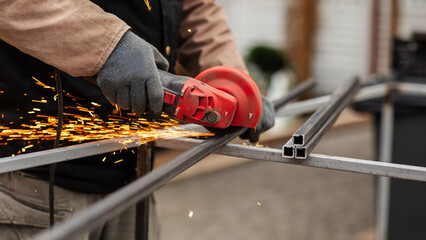
After planning, the metal is cut into the necessary shapes using specialized equipment designed for precision. The pieces are then bent, formed, or shaped to match the required design. Welding, fastening, or other assembly methods join the individual components together to create the finished structure. Once assembly is complete, the product may receive additional finishing treatments such as polishing, painting, coating, or protective finishes to improve both appearance and durability. Every stage works together to produce a high quality finished product that meets the project’s requirements.
Benefits of Metal Fabrication
One of the greatest advantages of metal fabrication is the ability to create customized products that meet specific needs. Unlike mass produced components that may require modifications, fabricated metal products can be designed to precise dimensions and performance standards. This level of customization allows projects to achieve greater efficiency and improved functionality. Whether the design is simple or highly detailed, fabrication provides the flexibility needed to create reliable solutions. Custom fabrication also helps ensure that each component fits properly within the overall project.
Metal fabrication also produces products known for their strength and longevity. Properly fabricated metal components can withstand heavy loads, changing weather conditions, and years of regular use. Many fabricated products are also designed for low maintenance, reducing long term upkeep while maintaining reliable performance. High quality fabrication techniques contribute to consistent results and dependable structural integrity. These advantages make fabricated metal products suitable for a wide range of demanding applications.
Applications of Metal Fabrication
Metal fabrication is used in many different industries because of its versatility and reliability. Construction projects rely on fabricated metal for structural supports, staircases, handrails, roofing components, and architectural features. Manufacturing also depends on fabricated metal parts for machinery, equipment, and production systems. Agricultural equipment, storage systems, and transportation components frequently involve fabricated metal products as well. These applications demonstrate how fabrication supports many aspects of everyday life.
Residential properties also benefit from fabricated metal products in numerous ways. Gates, fences, decorative railings, shelving, outdoor structures, and custom furniture are just a few examples of how fabricated metal enhances homes. Homeowners often choose metal because it combines durability with attractive design possibilities. Fabrication allows these products to be customized according to individual preferences while maintaining long lasting performance. This adaptability makes metal fabrication valuable for both practical and decorative purposes.
Maintaining Fabricated Metal Products
Proper maintenance helps fabricated metal products maintain their appearance and performance for many years. Regular cleaning removes dirt, dust, and moisture that may contribute to corrosion over time. Inspecting metal components periodically allows small issues such as loose fasteners or minor surface damage to be addressed before they become larger problems. Preventive maintenance helps extend the lifespan of fabricated products while preserving their structural integrity. Simple maintenance routines can significantly improve long term durability.
Protective coatings also play an important role in preserving fabricated metal. Paint, powder coating, and other protective finishes help shield the surface from moisture, sunlight, and environmental exposure. If damage to these coatings occurs, timely repairs help prevent corrosion from spreading. Proper storage and routine inspections further contribute to maintaining reliable performance. With appropriate care, fabricated metal products can continue serving their intended purpose for decades.
Final Thoughts
Metal fabrication is a versatile process that transforms raw metal into durable, functional, and customized products for countless applications. From careful planning and material selection to cutting, shaping, assembly, and finishing, every step contributes to creating reliable and high quality components. The flexibility of metal fabrication allows products to be tailored to specific requirements while delivering strength and long lasting performance. Whether used in residential, commercial, or industrial settings, fabricated metal products provide dependable solutions that combine functionality with lasting value. Understanding the metal fabrication process highlights its importance in creating many of the products and structures that support everyday life.